Ages 4-7 · child and adult
Paper tower: find a steady base
Give your paper tower a name. Build it, then try a different base without adding more material.
Set your own pace. Preparation depends on your materials.
What to gather
- Two matching sheets of paper
- Small pieces of paper tape
- Flat table or floor
Keeping it safe Build only small paper towers within easy reach. No climbing, heavy objects or sharp tools. The adult prepares the tape.
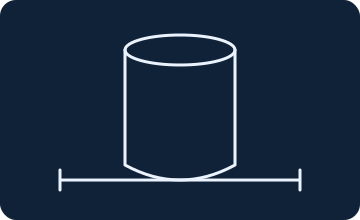
Choose a challenge level
Ages 4-5
The adult prepares the tubes. Your child stands them up, names them and chooses one to change.Ages 6-7
Keep the height and amount of paper the same, changing only the tube width. Check the bottom edge too. What makes the comparison fair?Step-by-step instructions
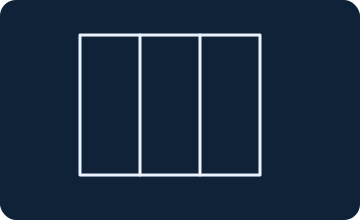
Roll a sheet into a loose tube and let the adult secure it with tape. Stand it on a flat surface and give it a name.
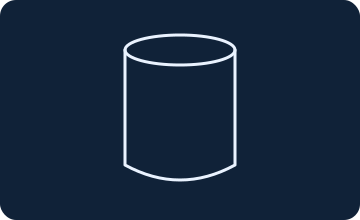
Make another tube of the same height but a different width. Before letting go, predict whether it will stand.
Compare how the towers stand and fall. Rebuild one and name the change you made.
TATAAA
Now turn it into a game
Lighthouse: place a paper boat beside the tower. One player is captain and the other describes the route to harbour. Do not put lights or heavy objects on the tower.
When it gets tricky
Does the tower lean? Check its bottom edge and the surface. Adding more tape while changing the width makes comparison harder.
When an experiment goes wrongWhen you are done
Choose a shape to try next time. A fallen tower can still have a name and a new plan.
If your child does not want to continue, it is fine to stop. You can safely swap roles or adapt the rules.
What to notice
A wider base gives the tower more support when it tilts. Height, paper distribution and a level bottom edge matter too. Compare towers of the same height.
Background reading
Keep exploring
 Build and test
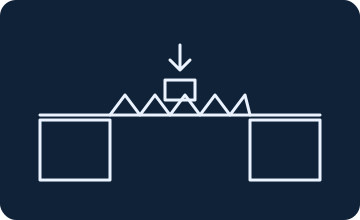
Paper bridge: which shape holds more?
The same paper, two shapes. Compare a flat bridge with a folded one, then try changing one thing.
Open mission Build and test
Foil boat: cargo aboard
Make two shapes from matching pieces of foil. Watch what happens as you gradually add cargo.
Open mission